Blog

  • What Is BHP in Cars? Meaning and Horsepower Explained

    What Is BHP in Cars? Meaning and Horsepower Explained

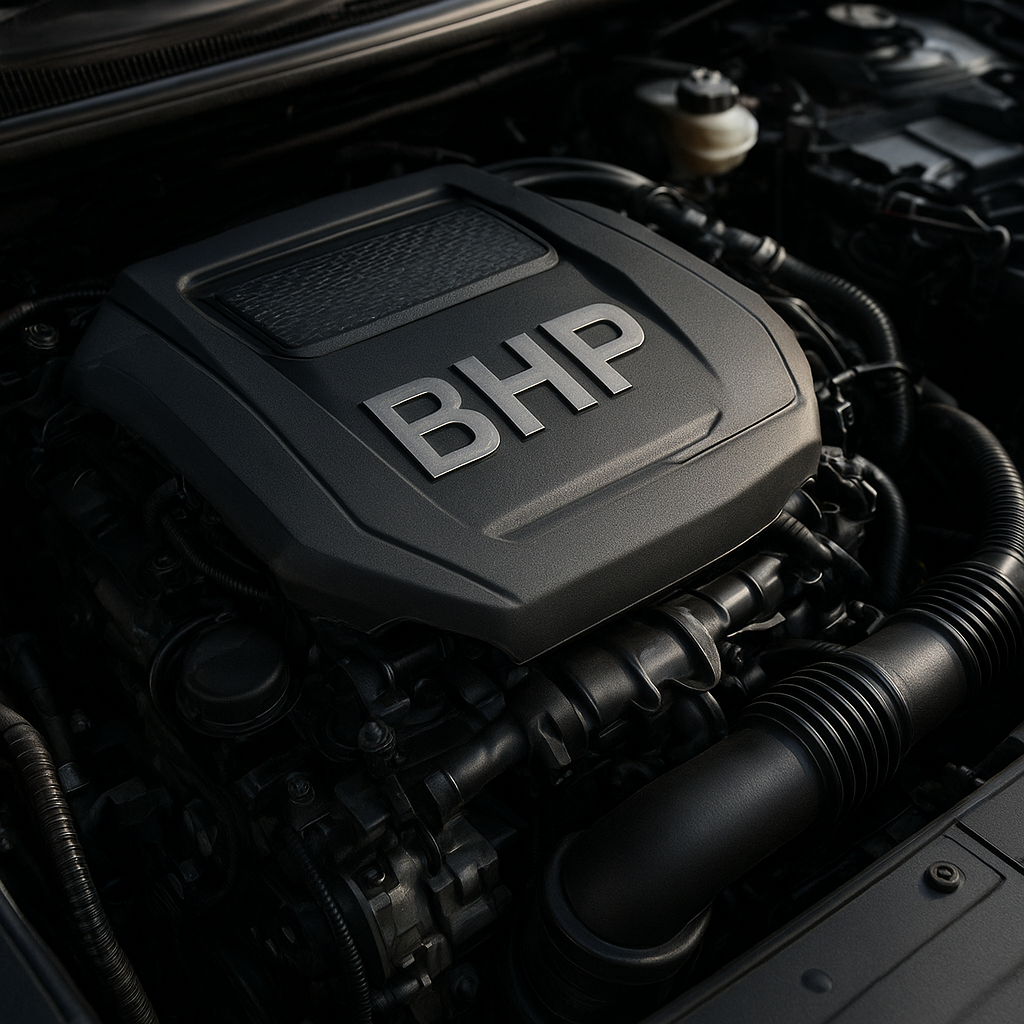
    BHP stands for brake horsepower, a measurement of an engine’s mechanical power output obtained using a dynamometer. The word “brake” refers to the equipment used to apply resistance during testing, not the vehicle’s braking system. BHP indicates how much power an engine can produce, rather than how fast a car can travel. The term commonly appears in automotive specifications, particularly in the United Kingdom, while American manufacturers typically use horsepower (HP).

    What Does BHP Stand for in Cars?

    Brake horsepower measures the useful mechanical power an engine produces at its output shaft. It accounts for internal engine losses, such as friction, but does not include the additional power losses that occur when energy travels through the vehicle’s transmission and drivetrain to the wheels.

    For example, if a car has an engine rated at 300 BHP, that figure describes its engine output under specified testing conditions. It doesn’t mean that all 300 horsepower reaches the road.

    BHP is also different from torque. Torque describes rotational force, while horsepower measures how quickly work can be performed. Both characteristics influence how a vehicle accelerates and responds to the accelerator.

    The term brake horsepower comes from the original method of measuring engine output using a braking device that applies controlled resistance.

    How Is BHP Measured?

    Engineers measure brake horsepower using a dynamometer, commonly called a dyno. During testing, the equipment places a controlled load on the engine while measuring torque at different engine speeds.

    The basic process involves three steps:

    1. Applying resistance: The dynamometer creates a load against the rotating engine output shaft.
    2. Measuring torque and RPM: Sensors record rotational force and engine speed in revolutions per minute.
    3. Calculating horsepower: The measured values are used to determine mechanical power.

    When torque is expressed in pound-feet, the standard calculation for mechanical horsepower is:

    Horsepower = Torque (lb-ft) × RPM ÷ 5,252

    For example, an engine producing 250 lb-ft of torque at 4,000 RPM generates approximately 190 horsepower at that operating point.

    Actual test results depend on environmental conditions, engine accessories, and the measurement procedure. The SAE International engineering standards, including SAE J1349, establish standardized methods for rating engine power.

    BHP vs. HP vs. WHP: What’s the Difference?

    These three abbreviations are commonly used when discussing engine performance, but they don’t always describe measurements taken at the same location.

    • BHP (Brake Horsepower): Mechanical power produced by an engine, typically measured at its output shaft using a dynamometer.
    • HP (Horsepower): A general unit of power. In vehicle specifications, HP usually refers to the manufacturer’s rated engine horsepower.
    • WHP (Wheel Horsepower): Power delivered to the driven wheels after losses through the transmission, differential, and other drivetrain components.

    Wheel horsepower is generally lower than engine horsepower because some energy is lost through friction and other mechanical processes before reaching the wheels.

    However, BHP and HP are not necessarily different physical units. Both can describe mechanical horsepower, and manufacturers may use the terms interchangeably when reporting engine output.

    Differences in published figures may also result from testing standards or the use of metric horsepower (PS), which is slightly different from mechanical horsepower.

    The Encyclopaedia Britannica’s explanation of horsepower provides additional background on this unit of power.

    Does Higher BHP Mean a Faster Car?

    Higher brake horsepower can improve acceleration and top-speed potential, but engine power alone doesn’t determine vehicle performance.

    Several other factors matter:

    • Vehicle weight: A lighter car generally requires less power to accelerate.
    • Torque and power delivery: The engine’s output across different RPM ranges affects performance.
    • Transmission gearing: Gear ratios influence how engine power is delivered to the wheels.
    • Tire traction: Grip determines how effectively power can be transferred to the road.
    • Aerodynamics: Air resistance becomes increasingly important at higher speeds.

    For example, a lightweight sports car with 250 BHP might accelerate faster than a heavy SUV producing 350 BHP, depending on gearing, traction, and other characteristics.

    Ultimately, BHP is a useful indicator of engine performance, but it should be considered alongside vehicle weight, torque, drivetrain design, and real-world acceleration figures when comparing cars.
  • How Old Is Harvard University?

    How Old Is Harvard University?

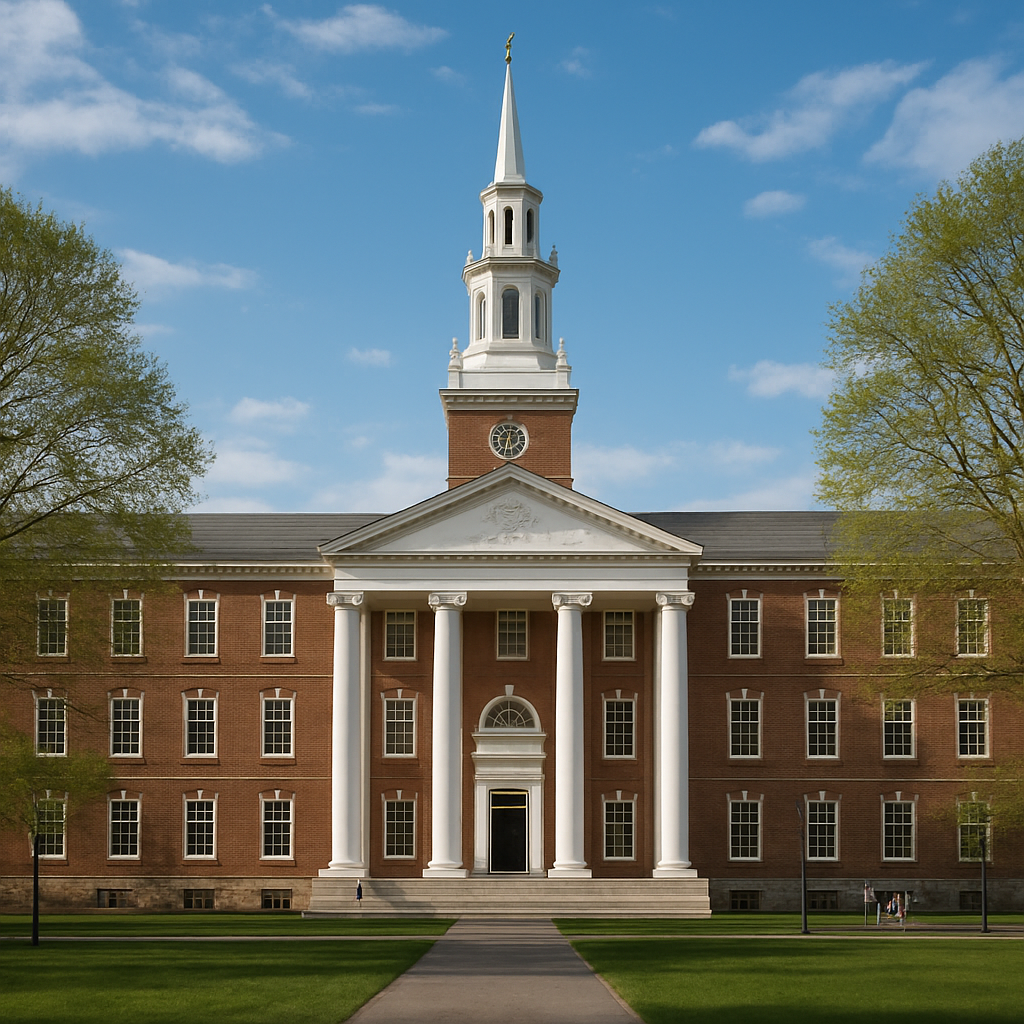
    Harvard University is 390 years old in 2026. It was founded on October 28, 1636, in Cambridge, Massachusetts, making it the oldest continuously operating institution of higher education in the United States. Originally established as a small colonial college, Harvard gradually developed into a major research university. Although the institution is named after John Harvard, he was not its founder. The college received his name in recognition of a generous donation made shortly after its establishment.

    How Old Is Harvard University in 2026?

    Harvard University celebrates its 390th anniversary in 2026, having been established in 1636. Its official founding date is October 28, 1636.

    Here are the key facts:

    • Founded: October 28, 1636.
    • Age in 2026: 390 years.
    • Location: Cambridge, Massachusetts, United States.
    • Original name: New College.
    • Name adopted in 1639: Harvard College.
    • Historical distinction: The oldest institution of higher education in the United States.

    Harvard was established more than a century before the United States declared independence in 1776. Its history began when Massachusetts was still an English colony.

    The university confirms its founding date in its official history of Harvard.

    When and Why Was Harvard Founded?

    Harvard was established by a vote of the Great and General Court of the Massachusetts Bay Colony in 1636. Colonial leaders approved funding for a college intended to educate future generations of scholars and religious leaders.

    One of its original purposes was to prepare educated Protestant ministers. Religious education played an important role in the colony, although the institution’s academic mission expanded considerably over time.

    The college was initially known as New College. In 1639, it was renamed Harvard College to honor John Harvard, an English-born minister who died in 1638.

    John Harvard left approximately half his estate and his personal library of around 400 books to the new institution. His donation provided valuable financial and educational resources during the college’s earliest years.

    Despite the common misconception, John Harvard did not personally establish the university. The Massachusetts colonial government founded it before his donation.

    How Did Harvard Become a University?

    Harvard began as a small institution focused primarily on classical studies and religious education. Over the following centuries, it expanded its curriculum, developed professional schools, and established research programs.

    The creation of Harvard Medical School in 1782 marked an important stage in its development beyond a traditional undergraduate college. During the nineteenth century, Harvard continued expanding its academic disciplines and research activities.

    Today, Harvard College remains the undergraduate school within Harvard University. It offers four-year bachelor’s degree programs, while the wider university includes graduate and professional schools covering medicine, law, business, education, and other fields.

    According to Harvard University’s official overview, the institution combines its historic undergraduate college with specialized schools and research programs.

    Harvard’s nearly four centuries of continuous operation make it a significant part of American educational history. While universities in Europe and other parts of the world are considerably older, Harvard holds the distinction of being the oldest institution of higher learning in the United States.

  • Heating vs. Cooling Costs: Which Is More Expensive?

    Heating vs. Cooling Costs: Which Is More Expensive?

    Heating generally uses more energy than air conditioning in the average U.S. home, but that doesn’t always mean it costs more. In colder states, heating is often the bigger annual expense, while cooling can cost more in hot climates such as Florida or Arizona. The difference depends on local weather, electricity and natural gas prices, home insulation, and HVAC efficiency. Whether you live in a house or an apartment, comparing your actual energy bills is the best way to determine which system costs more.

    Is Heating or Cooling More Expensive?

    Across the United States, space heating typically accounts for a larger share of residential energy consumption than air conditioning. According to the U.S. Energy Information Administration (EIA), space heating was the largest energy-consuming activity in American homes in its 2020 Residential Energy Consumption Survey.

    However, energy consumption and financial costs are not the same. Many households heat their homes with natural gas but use electricity for air conditioning. Because these energy sources have different prices and billing methods, the system consuming more energy isn’t necessarily the most expensive.

    Regional differences also matter:

    • Cold climates: Homes in states such as Minnesota, Michigan, and Maine often spend more on heating because winters are long and temperatures frequently fall below freezing.
    • Hot climates: In Florida, Arizona, and parts of Texas, air conditioning can be the larger expense due to prolonged summer heat.
    • Mild climates: Homes in coastal California and other moderate regions may have relatively low heating and cooling requirements.

    A highly efficient heat pump can also change the comparison because it provides both heating and cooling while transferring heat rather than generating it directly.

    What Affects Heating and Cooling Costs?

    Several factors determine whether heating or air conditioning costs more for a particular household.

    Climate and Seasonal Demand

    The longer your heating or cooling system runs, the more energy it generally uses. A home experiencing five months of freezing weather may require considerably more heating than a property with a short, mild winter.

    Energy Prices

    Electricity rates vary by state and utility provider. Natural gas, propane, and heating oil prices also fluctuate. Comparing an electric bill with a gas bill is essential when your home uses different fuels for heating and cooling.

    HVAC System Efficiency

    Electric resistance heaters convert electricity directly into heat, while heat pumps move heat between indoors and outdoors. Modern heat pumps can deliver substantially more heating energy than the electricity they consume under suitable operating conditions.

    According to ENERGY STAR’s heat pump guidance, efficient air-source heat pumps can provide both heating and cooling. Their performance depends on equipment specifications and outdoor temperatures.

    Home Size and Insulation

    Larger houses generally require more energy to maintain comfortable temperatures. Poor insulation, drafty windows, and air leaks increase heating and cooling demand by allowing conditioned air or heat to escape.

    Thermostat Settings

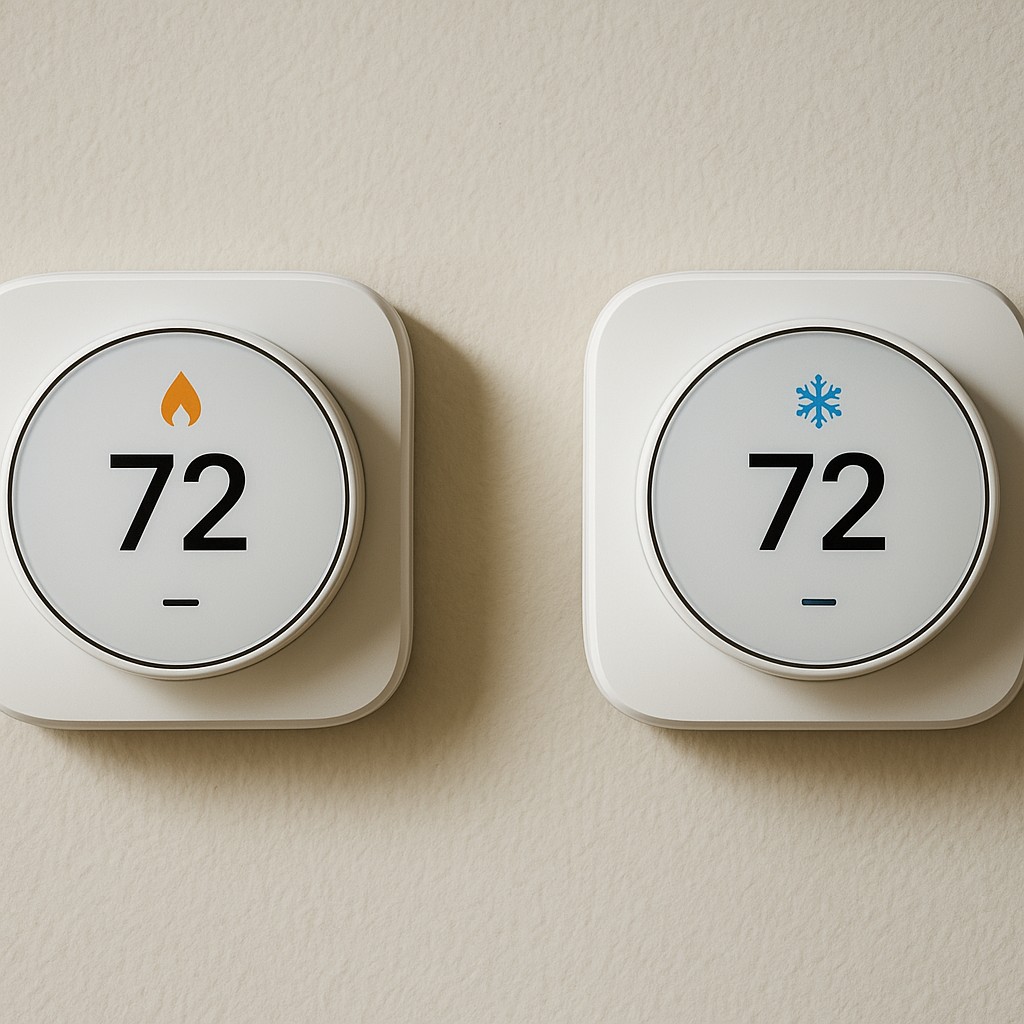
    Keeping your home unusually warm in winter or very cool in summer increases the workload on your HVAC system. Thermostat settings, occupancy schedules, and personal comfort preferences all affect energy expenses.

    Does It Cost More to Heat or Cool an Apartment?

    Heating and cooling a small apartment often costs less than conditioning a large detached house, assuming similar equipment, insulation, and local energy prices.

    Apartments may benefit from shared walls, ceilings, and floors. A middle-floor unit surrounded by conditioned apartments often loses less heat than a top-floor or corner unit exposed to outdoor temperatures on multiple sides.

    However, the answer also depends on how utilities are billed.

    Some apartment buildings include central heating in the rent while tenants pay separately for electricity used by air conditioners. In that situation, cooling may be the larger direct expense for the renter, even if the building consumes more energy for heating overall.

    Other apartments use individual electric heating systems, which can become expensive during winter.

    When comparing apartment expenses, check your lease, utility responsibilities, and monthly bills rather than assuming heating or cooling is always cheaper.

    How to Compare Heating and Cooling Costs

    For electric equipment, a basic operating-cost calculation is:

    Operating cost = Power consumption (kW) × Hours used × Electricity rate ($/kWh).

    For example, imagine an electric heater drawing 1.5 kW while operating for five hours at an electricity rate of $0.18 per kWh.

    1.5 × 5 × $0.18 = $1.35

    The estimated electricity cost would be $1.35 for that period.

    This example assumes constant power consumption. Central air conditioners and variable-speed heat pumps often change their power usage, so accurate estimates require average consumption or actual metered data.

    For natural gas heating, calculate the amount of gas consumed using your utility’s billing units and rate, including applicable charges.

    To compare annual costs fairly, examine a full year’s heating and cooling expenses. Account for seasonal differences and exclude unrelated household energy usage where possible.

    How to Reduce Heating and Cooling Bills

    Whether heating or cooling costs more, improving efficiency can help lower utility expenses.

    • Use a programmable or smart thermostat. Adjust temperatures when you’re sleeping or away, following the recommended settings for your particular HVAC system.
    • Seal air leaks. Inspect windows, doors, and other openings where outside air enters your home.
    • Improve insulation. Proper attic and wall insulation can reduce heat transfer and help maintain indoor temperatures.
    • Maintain HVAC equipment. Regular servicing helps identify performance problems before they increase energy consumption.
    • Replace or clean filters. Follow manufacturer recommendations to maintain proper airflow through your heating and cooling systems.
    • Reduce summer heat gain. Close blinds or curtains during sunny periods and use exterior shading when practical.
    • Consider efficient equipment. When replacing an aging system, compare efficiency ratings and choose equipment suited to your local climate.

    The U.S. Department of Energy’s heating and cooling guidance provides additional recommendations for reducing household energy use.

    Ultimately, heating is generally the larger energy demand across U.S. homes, but actual costs vary considerably. Climate, fuel prices, HVAC efficiency, and housing type determine whether heat or AC is more expensive for your household.

  • What Money Does Italy Use? Currency Name and Facts

    What Money Does Italy Use? Currency Name and Facts

    Italy uses the euro (€) as its official currency. Its international currency code is EUR, and one euro is divided into 100 cents. If you’re wondering what money they use in Italy, the answer is the same whether you’re visiting Rome, Venice, Florence, or Milan. Italy shares the euro with other countries in the eurozone, so you won’t need to exchange money when traveling between Italy and other euro-area countries.

    What Is the Currency of Italy?

    The official currency of Italy is the euro, which replaced the Italian lira in 2002 for everyday cash payments.

    Here are the essential facts about Italian money:

    • Currency name: Euro
    • Currency code: EUR
    • Currency symbol: €
    • Smallest unit: Cent
    • Exchange unit: 1 euro = 100 cents

    Prices in Italian stores, restaurants, hotels, and tourist attractions are displayed in euros. For example, €10 means ten euros, while €0.50 represents fifty cents.

    The euro is also used in countries such as France, Germany, Spain, and Greece. Italy does not have a separate national currency for everyday transactions.

    What Do Italian Coins and Banknotes Look Like?

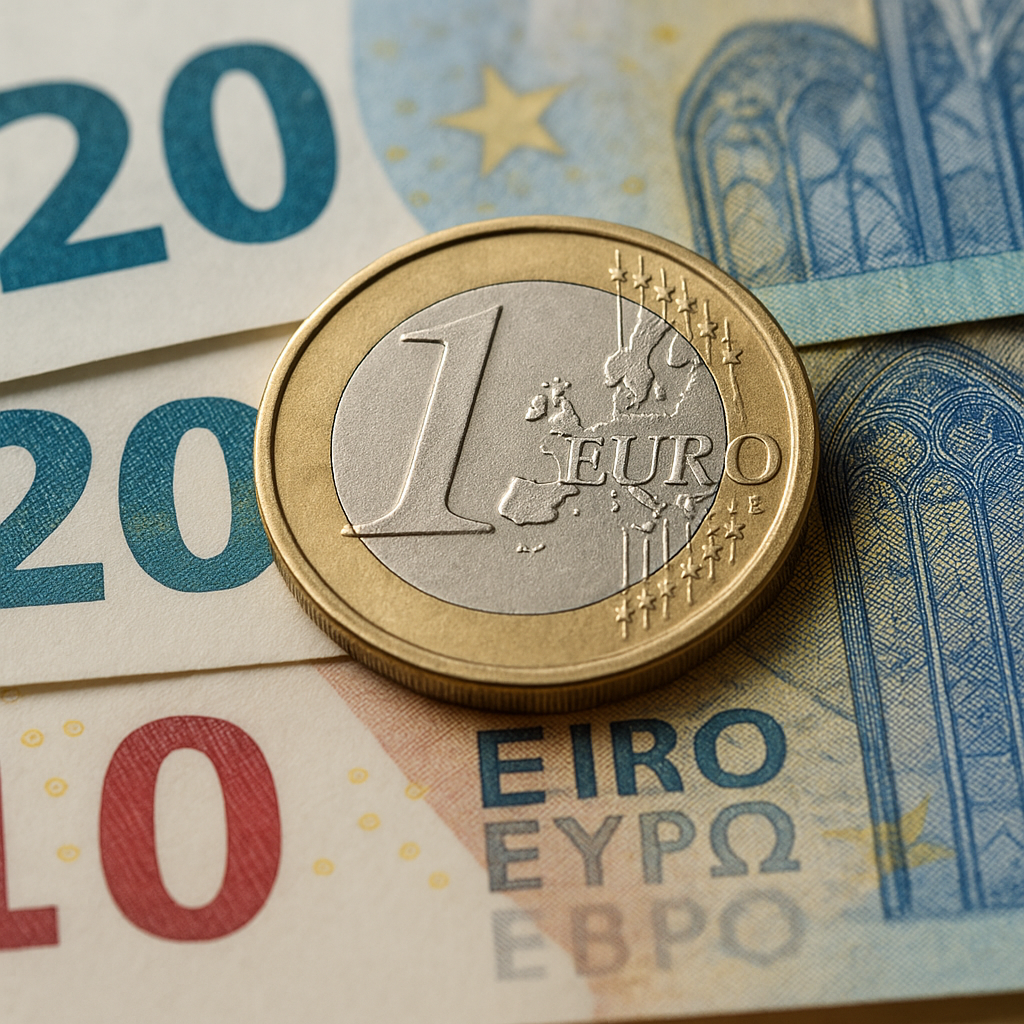
    Italy uses the same euro banknotes as other eurozone countries, along with euro coins featuring Italian designs.

    Euro Banknotes

    The six denominations currently issued are:

    • €5 — gray
    • €10 — red
    • €20 — blue
    • €50 — orange
    • €100 — green
    • €200 — yellow-brown

    Euro banknotes feature architectural designs representing different periods of European history. Their designs are shared across the eurozone, rather than being specific to Italy.

    The €500 banknote is no longer issued, but existing notes remain legal tender and retain their value. The European Central Bank’s banknote guide explains the denominations and security features.

    Euro Coins

    Italy uses eight standard coin denominations:

    • 1, 2, and 5 cents
    • 10, 20, and 50 cents
    • €1 and €2

    Every euro coin has a common European side and a national side. Italian coins feature famous artworks and cultural symbols, including Leonardo da Vinci’s Vitruvian Man on the €1 coin and Dante Alighieri on the €2 coin.

    Coins issued by other eurozone countries are equally valid in Italy. You can learn more about the designs through Banca d’Italia’s official coin information.

    What Currency Did Italy Use Before the Euro?

    Before adopting the euro, Italy used the Italian lira (ITL), traditionally represented by the symbol ₤ or the abbreviation L.

    Italy officially adopted the euro on January 1, 1999. During the following three years, the new currency was primarily used for accounting and electronic transactions.

    Euro banknotes and coins entered circulation on January 1, 2002, replacing the lira in everyday payments. Today, Italian lire are no longer accepted for purchases.

    The European Commission’s history of Italy and the euro provides further details about the transition.

    How to Pay for Things in Italy

    Visitors can use several payment methods while traveling throughout Italy.

    • Cash: Euros are useful for small purchases, local markets, cafés, and businesses that prefer cash. Carrying smaller bills and coins can make payments easier.
    • Credit and debit cards: Visa and Mastercard are widely accepted at hotels, restaurants, supermarkets, and major attractions. Contactless payments are also common.
    • ATMs: You can withdraw euros from Italian ATMs using a compatible international bank card. Check for withdrawal fees and charges from your home bank.
    • Currency exchange: US dollars and other foreign currencies generally need to be exchanged for euros before making purchases. Banks and exchange offices may offer different rates and fees.

    When paying with a US-issued card, a terminal may ask whether you want to pay in euros or US dollars. Choosing euros usually avoids the merchant’s dynamic currency conversion rate, although your bank may still charge foreign transaction fees.

    For most travelers, a combination of a widely accepted payment card and a small amount of euro cash is convenient. Check current exchange rates and your bank’s international fees before departure.

  • Is It Safe to Travel to Madagascar? Safety Tips and RisksI

    Is It Safe to Travel to Madagascar? Safety Tips and RisksI

    Madagascar can be visited safely with careful planning, but travelers should take extra precautions because of crime, political unrest, health risks, and limited infrastructure. As of November 23, 2026, the U.S. Department of State rates Madagascar Level 2: Exercise Increased Caution. Certain areas carry a higher Level 3 warning. Safety varies considerably by destination, transportation arrangements, and current conditions. Tourists should avoid traveling at night, use reputable guides, follow health precautions, and check official travel advisories before departure.

    Is Madagascar Safe for Tourists?

    Madagascar is a popular destination for travelers interested in wildlife, national parks, beaches, and unusual natural landscapes. Many tourists visit without serious incidents, particularly when using established accommodations and organized transportation.

    However, the country presents safety challenges that require preparation. Petty theft occurs in tourist areas, violent crime affects certain roads and regions, and demonstrations can disrupt transportation.

    The U.S. Department of State’s Madagascar Travel Advisory, checked November 23, 2026, recommends increased caution nationwide because of crime, unrest, and health concerns. It also identifies specific areas where Americans should reconsider travel.

    This does not mean the entire country is equally dangerous. A guided visit to an established tourist destination presents different risks from independent travel through isolated regions.

    Main Safety Risks in Madagascar

    Crime and Theft

    Pickpocketing, bag snatching, and other forms of theft occur in Madagascar, particularly in crowded markets, transportation areas, and popular tourist locations.

    More serious incidents, including armed robbery and assault, are also reported. Risks increase after dark and along certain remote roads.

    Travelers should keep valuables out of sight, avoid displaying expensive jewelry, and carry only the cash needed for the day. Use hotel safes where available and keep backup copies of important documents.

    Walking alone through unfamiliar or poorly lit neighborhoods at night is best avoided, including in the capital, Antananarivo.

    Political Unrest

    Madagascar periodically experiences political demonstrations, strikes, and public disturbances. Political instability can affect transportation, public services, and access to certain areas.

    Even peaceful demonstrations can become unpredictable. Visitors should avoid protests, large political gatherings, and areas where security forces are responding to disturbances.

    Follow local news and official government updates during your trip. If unrest develops near your accommodation, remain in a secure location and seek guidance from hotel staff or your tour operator.

    Road and Transportation Safety

    Road conditions are another significant concern. Outside major cities, some routes have potholes, limited lighting, and unreliable infrastructure.

    Long-distance journeys may take considerably longer than expected. Heavy rainfall can further damage roads or make certain sections impassable.

    Night driving is particularly risky because of poor visibility, road hazards, and the possibility of criminal activity.

    For longer journeys, consider hiring an experienced local driver through a reputable transportation provider rather than driving unfamiliar routes independently.

    Are There Dangerous Areas in Madagascar?

    Safety conditions differ across Madagascar, and some locations require substantially more caution than established tourist destinations.

    Antananarivo: The capital presents typical urban risks, including pickpocketing, theft, and occasional violent crime. Stay alert in crowded areas, arrange transportation through trusted providers, and avoid unnecessary nighttime walking.

    Nosy Be and tourist destinations: Popular coastal resorts and national parks attract international visitors, but their popularity does not guarantee safety. Theft, transportation problems, and medical emergencies can still occur. Use established guides and secure accommodation.

    Remote regions and highways: Certain rural areas face greater risks of banditry, armed robbery, and carjacking. Emergency assistance may be difficult to obtain.

    As of November 23, 2026, the U.S. State Department assigns a Level 3: Reconsider Travel warning to specific locations, including Tsaratanan in Betsiboka Region, Betroka in Anosy Region, and parts of National Road 34 between Miandrivazo and Malaimbandy.

    These are specific regional warnings rather than restrictions covering all of Madagascar. Travelers planning overland routes should check current advice, including the UK government’s regional safety guidance.

    Health Risks and Medical Safety

    Health preparation is especially important because medical facilities can be limited, particularly outside major cities.

    Malaria: Malaria transmission occurs across much of Madagascar. According to the CDC, transmission is rare in Antananarivo but remains a concern in other areas. Travelers should consult a healthcare professional about appropriate prevention before departure.

    Mosquito-borne diseases: Dengue, chikungunya, and other infections may occur. Use insect repellent, wear protective clothing, and choose accommodation with effective mosquito protection.

    Food and water: Drink safely treated or sealed bottled water. Be cautious with uncooked foods, improperly stored meals, and ice when water quality is uncertain.

    Plague: Madagascar experiences occasional plague cases. However, this does not mean every visitor faces an immediate or widespread threat. Avoid contact with sick animals, take precautions against flea bites, and seek medical attention for concerning symptoms.

    Medical facilities: Serious illness or injury may require evacuation to another country. Travel insurance should include emergency medical treatment and medical evacuation.

    Before traveling, consult a travel health clinic, review routine vaccinations, and check the CDC’s Madagascar health recommendations.

    Weather and Natural Hazards

    Madagascar has a tropical climate, with a rainy season generally extending from November through April. Tropical cyclones are a significant concern during this period, particularly along exposed coastal areas.

    Severe weather can cause flooding, landslides, damaged roads, and transportation disruptions. Some national parks and remote routes may become difficult to access after heavy rainfall.

    Travel during the rainy season is not necessarily impossible, but itineraries should allow flexibility. Check weather forecasts and local road conditions before traveling to remote destinations.

    When visiting national parks, follow ranger instructions and avoid hiking unfamiliar trails during severe weather.

    How to Stay Safe While Traveling in Madagascar

    Several precautions can reduce common travel risks:

    1. Check travel advisories. Review U.S. State Department warnings before departure and monitor updates throughout your trip.
    2. Avoid demonstrations. Stay away from protests and large gatherings where unrest may develop.
    3. Limit nighttime travel. Arrange long-distance transportation during daylight hours whenever possible.
    4. Use reputable guides. Choose established tour operators and experienced drivers, particularly for remote destinations.
    5. Protect valuables. Avoid carrying unnecessary cash, expensive jewelry, or important documents while sightseeing.
    6. Prepare for health risks. Follow medical advice on vaccinations, malaria prevention, and protection against insect bites.
    7. Arrange comprehensive insurance. Confirm that your policy covers planned activities and emergency medical evacuation. Save local emergency contacts and your accommodation’s details.
    8. Enroll in STEP. U.S. citizens can register with the Smart Traveler Enrollment Program to receive security updates and help the U.S. Embassy contact them during emergencies.

    Madagascar can be a rewarding destination for well-prepared travelers, but it requires more planning than many established resort destinations. Choosing appropriate routes, monitoring security conditions, and preparing for medical and transportation challenges can make a substantial difference to your safety.