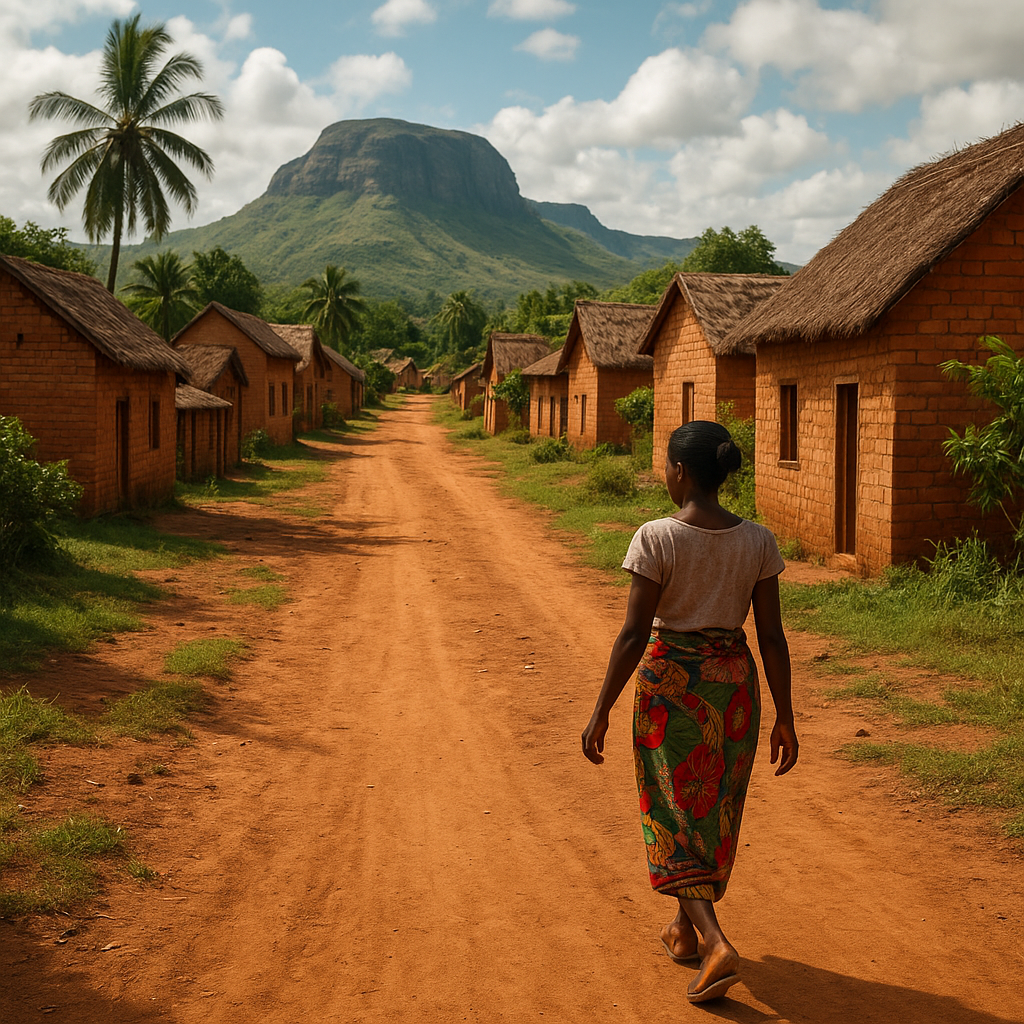
Madagascar can be visited safely with careful planning, but travelers should take extra precautions because of crime, political unrest, health risks, and limited infrastructure. As of November 23, 2026, the U.S. Department of State rates Madagascar Level 2: Exercise Increased Caution. Certain areas carry a higher Level 3 warning. Safety varies considerably by destination, transportation arrangements, and current conditions. Tourists should avoid traveling at night, use reputable guides, follow health precautions, and check official travel advisories before departure.
Is Madagascar Safe for Tourists?
Madagascar is a popular destination for travelers interested in wildlife, national parks, beaches, and unusual natural landscapes. Many tourists visit without serious incidents, particularly when using established accommodations and organized transportation.
However, the country presents safety challenges that require preparation. Petty theft occurs in tourist areas, violent crime affects certain roads and regions, and demonstrations can disrupt transportation.
The U.S. Department of State’s Madagascar Travel Advisory, checked November 23, 2026, recommends increased caution nationwide because of crime, unrest, and health concerns. It also identifies specific areas where Americans should reconsider travel.
This does not mean the entire country is equally dangerous. A guided visit to an established tourist destination presents different risks from independent travel through isolated regions.
Main Safety Risks in Madagascar
Crime and Theft
Pickpocketing, bag snatching, and other forms of theft occur in Madagascar, particularly in crowded markets, transportation areas, and popular tourist locations.
More serious incidents, including armed robbery and assault, are also reported. Risks increase after dark and along certain remote roads.
Travelers should keep valuables out of sight, avoid displaying expensive jewelry, and carry only the cash needed for the day. Use hotel safes where available and keep backup copies of important documents.
Walking alone through unfamiliar or poorly lit neighborhoods at night is best avoided, including in the capital, Antananarivo.
Political Unrest
Madagascar periodically experiences political demonstrations, strikes, and public disturbances. Political instability can affect transportation, public services, and access to certain areas.
Even peaceful demonstrations can become unpredictable. Visitors should avoid protests, large political gatherings, and areas where security forces are responding to disturbances.
Follow local news and official government updates during your trip. If unrest develops near your accommodation, remain in a secure location and seek guidance from hotel staff or your tour operator.
Road and Transportation Safety
Road conditions are another significant concern. Outside major cities, some routes have potholes, limited lighting, and unreliable infrastructure.
Long-distance journeys may take considerably longer than expected. Heavy rainfall can further damage roads or make certain sections impassable.
Night driving is particularly risky because of poor visibility, road hazards, and the possibility of criminal activity.
For longer journeys, consider hiring an experienced local driver through a reputable transportation provider rather than driving unfamiliar routes independently.
Are There Dangerous Areas in Madagascar?
Safety conditions differ across Madagascar, and some locations require substantially more caution than established tourist destinations.
Antananarivo: The capital presents typical urban risks, including pickpocketing, theft, and occasional violent crime. Stay alert in crowded areas, arrange transportation through trusted providers, and avoid unnecessary nighttime walking.
Nosy Be and tourist destinations: Popular coastal resorts and national parks attract international visitors, but their popularity does not guarantee safety. Theft, transportation problems, and medical emergencies can still occur. Use established guides and secure accommodation.
Remote regions and highways: Certain rural areas face greater risks of banditry, armed robbery, and carjacking. Emergency assistance may be difficult to obtain.
As of November 23, 2026, the U.S. State Department assigns a Level 3: Reconsider Travel warning to specific locations, including Tsaratanan in Betsiboka Region, Betroka in Anosy Region, and parts of National Road 34 between Miandrivazo and Malaimbandy.
These are specific regional warnings rather than restrictions covering all of Madagascar. Travelers planning overland routes should check current advice, including the UK government’s regional safety guidance.
Health Risks and Medical Safety
Health preparation is especially important because medical facilities can be limited, particularly outside major cities.
Malaria: Malaria transmission occurs across much of Madagascar. According to the CDC, transmission is rare in Antananarivo but remains a concern in other areas. Travelers should consult a healthcare professional about appropriate prevention before departure.
Mosquito-borne diseases: Dengue, chikungunya, and other infections may occur. Use insect repellent, wear protective clothing, and choose accommodation with effective mosquito protection.
Food and water: Drink safely treated or sealed bottled water. Be cautious with uncooked foods, improperly stored meals, and ice when water quality is uncertain.
Plague: Madagascar experiences occasional plague cases. However, this does not mean every visitor faces an immediate or widespread threat. Avoid contact with sick animals, take precautions against flea bites, and seek medical attention for concerning symptoms.
Medical facilities: Serious illness or injury may require evacuation to another country. Travel insurance should include emergency medical treatment and medical evacuation.
Before traveling, consult a travel health clinic, review routine vaccinations, and check the CDC’s Madagascar health recommendations.
Weather and Natural Hazards
Madagascar has a tropical climate, with a rainy season generally extending from November through April. Tropical cyclones are a significant concern during this period, particularly along exposed coastal areas.
Severe weather can cause flooding, landslides, damaged roads, and transportation disruptions. Some national parks and remote routes may become difficult to access after heavy rainfall.
Travel during the rainy season is not necessarily impossible, but itineraries should allow flexibility. Check weather forecasts and local road conditions before traveling to remote destinations.
When visiting national parks, follow ranger instructions and avoid hiking unfamiliar trails during severe weather.
How to Stay Safe While Traveling in Madagascar
Several precautions can reduce common travel risks:
- Check travel advisories. Review U.S. State Department warnings before departure and monitor updates throughout your trip.
- Avoid demonstrations. Stay away from protests and large gatherings where unrest may develop.
- Limit nighttime travel. Arrange long-distance transportation during daylight hours whenever possible.
- Use reputable guides. Choose established tour operators and experienced drivers, particularly for remote destinations.
- Protect valuables. Avoid carrying unnecessary cash, expensive jewelry, or important documents while sightseeing.
- Prepare for health risks. Follow medical advice on vaccinations, malaria prevention, and protection against insect bites.
- Arrange comprehensive insurance. Confirm that your policy covers planned activities and emergency medical evacuation. Save local emergency contacts and your accommodation’s details.
- Enroll in STEP. U.S. citizens can register with the Smart Traveler Enrollment Program to receive security updates and help the U.S. Embassy contact them during emergencies.
Madagascar can be a rewarding destination for well-prepared travelers, but it requires more planning than many established resort destinations. Choosing appropriate routes, monitoring security conditions, and preparing for medical and transportation challenges can make a substantial difference to your safety.