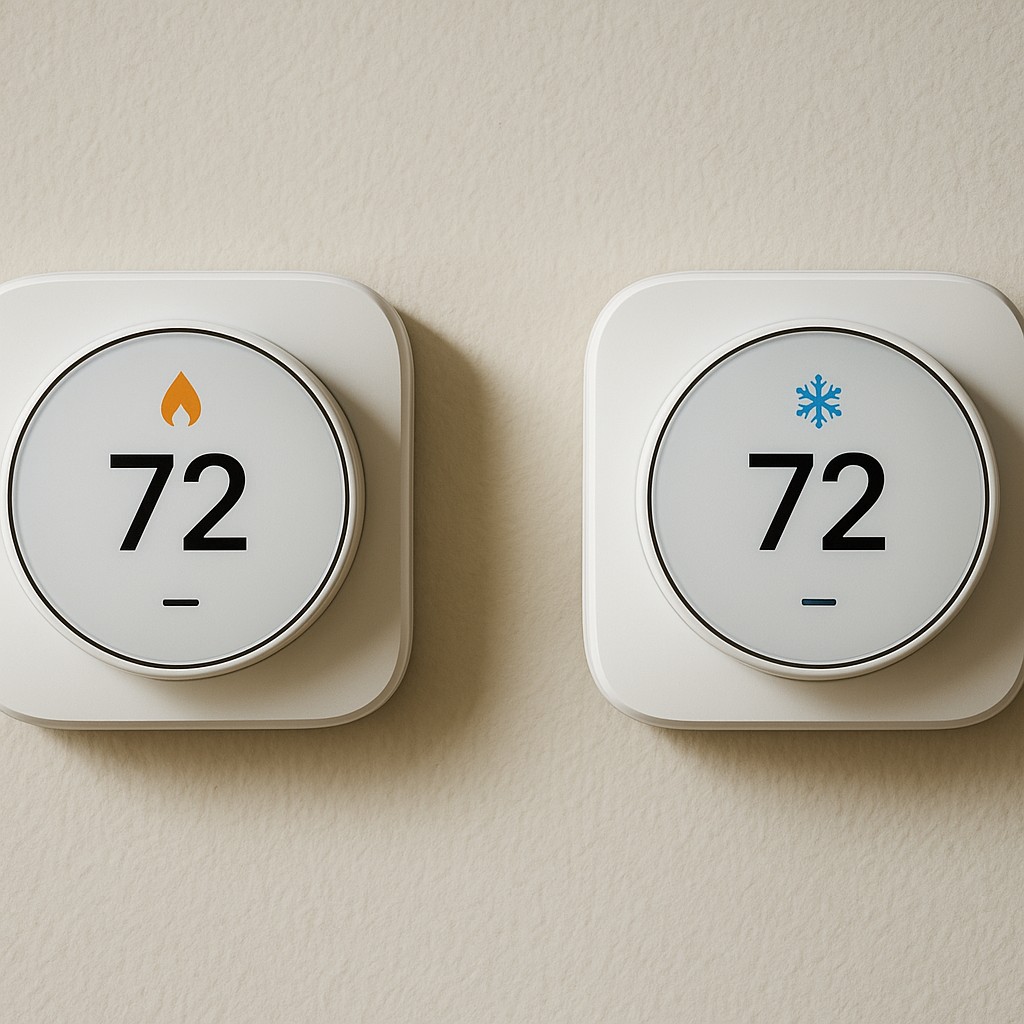
Heating generally uses more energy than air conditioning in the average U.S. home, but that doesn’t always mean it costs more. In colder states, heating is often the bigger annual expense, while cooling can cost more in hot climates such as Florida or Arizona. The difference depends on local weather, electricity and natural gas prices, home insulation, and HVAC efficiency. Whether you live in a house or an apartment, comparing your actual energy bills is the best way to determine which system costs more.
Is Heating or Cooling More Expensive?
Across the United States, space heating typically accounts for a larger share of residential energy consumption than air conditioning. According to the U.S. Energy Information Administration (EIA), space heating was the largest energy-consuming activity in American homes in its 2020 Residential Energy Consumption Survey.
However, energy consumption and financial costs are not the same. Many households heat their homes with natural gas but use electricity for air conditioning. Because these energy sources have different prices and billing methods, the system consuming more energy isn’t necessarily the most expensive.
Regional differences also matter:
- Cold climates: Homes in states such as Minnesota, Michigan, and Maine often spend more on heating because winters are long and temperatures frequently fall below freezing.
- Hot climates: In Florida, Arizona, and parts of Texas, air conditioning can be the larger expense due to prolonged summer heat.
- Mild climates: Homes in coastal California and other moderate regions may have relatively low heating and cooling requirements.
A highly efficient heat pump can also change the comparison because it provides both heating and cooling while transferring heat rather than generating it directly.
What Affects Heating and Cooling Costs?
Several factors determine whether heating or air conditioning costs more for a particular household.
Climate and Seasonal Demand
The longer your heating or cooling system runs, the more energy it generally uses. A home experiencing five months of freezing weather may require considerably more heating than a property with a short, mild winter.
Energy Prices
Electricity rates vary by state and utility provider. Natural gas, propane, and heating oil prices also fluctuate. Comparing an electric bill with a gas bill is essential when your home uses different fuels for heating and cooling.
HVAC System Efficiency
Electric resistance heaters convert electricity directly into heat, while heat pumps move heat between indoors and outdoors. Modern heat pumps can deliver substantially more heating energy than the electricity they consume under suitable operating conditions.
According to ENERGY STAR’s heat pump guidance, efficient air-source heat pumps can provide both heating and cooling. Their performance depends on equipment specifications and outdoor temperatures.
Home Size and Insulation
Larger houses generally require more energy to maintain comfortable temperatures. Poor insulation, drafty windows, and air leaks increase heating and cooling demand by allowing conditioned air or heat to escape.
Thermostat Settings
Keeping your home unusually warm in winter or very cool in summer increases the workload on your HVAC system. Thermostat settings, occupancy schedules, and personal comfort preferences all affect energy expenses.
Does It Cost More to Heat or Cool an Apartment?
Heating and cooling a small apartment often costs less than conditioning a large detached house, assuming similar equipment, insulation, and local energy prices.
Apartments may benefit from shared walls, ceilings, and floors. A middle-floor unit surrounded by conditioned apartments often loses less heat than a top-floor or corner unit exposed to outdoor temperatures on multiple sides.
However, the answer also depends on how utilities are billed.
Some apartment buildings include central heating in the rent while tenants pay separately for electricity used by air conditioners. In that situation, cooling may be the larger direct expense for the renter, even if the building consumes more energy for heating overall.
Other apartments use individual electric heating systems, which can become expensive during winter.
When comparing apartment expenses, check your lease, utility responsibilities, and monthly bills rather than assuming heating or cooling is always cheaper.
How to Compare Heating and Cooling Costs
For electric equipment, a basic operating-cost calculation is:
Operating cost = Power consumption (kW) × Hours used × Electricity rate ($/kWh).
For example, imagine an electric heater drawing 1.5 kW while operating for five hours at an electricity rate of $0.18 per kWh.
1.5 × 5 × $0.18 = $1.35
The estimated electricity cost would be $1.35 for that period.
This example assumes constant power consumption. Central air conditioners and variable-speed heat pumps often change their power usage, so accurate estimates require average consumption or actual metered data.
For natural gas heating, calculate the amount of gas consumed using your utility’s billing units and rate, including applicable charges.
To compare annual costs fairly, examine a full year’s heating and cooling expenses. Account for seasonal differences and exclude unrelated household energy usage where possible.
How to Reduce Heating and Cooling Bills
Whether heating or cooling costs more, improving efficiency can help lower utility expenses.
- Use a programmable or smart thermostat. Adjust temperatures when you’re sleeping or away, following the recommended settings for your particular HVAC system.
- Seal air leaks. Inspect windows, doors, and other openings where outside air enters your home.
- Improve insulation. Proper attic and wall insulation can reduce heat transfer and help maintain indoor temperatures.
- Maintain HVAC equipment. Regular servicing helps identify performance problems before they increase energy consumption.
- Replace or clean filters. Follow manufacturer recommendations to maintain proper airflow through your heating and cooling systems.
- Reduce summer heat gain. Close blinds or curtains during sunny periods and use exterior shading when practical.
- Consider efficient equipment. When replacing an aging system, compare efficiency ratings and choose equipment suited to your local climate.
The U.S. Department of Energy’s heating and cooling guidance provides additional recommendations for reducing household energy use.
Ultimately, heating is generally the larger energy demand across U.S. homes, but actual costs vary considerably. Climate, fuel prices, HVAC efficiency, and housing type determine whether heat or AC is more expensive for your household.