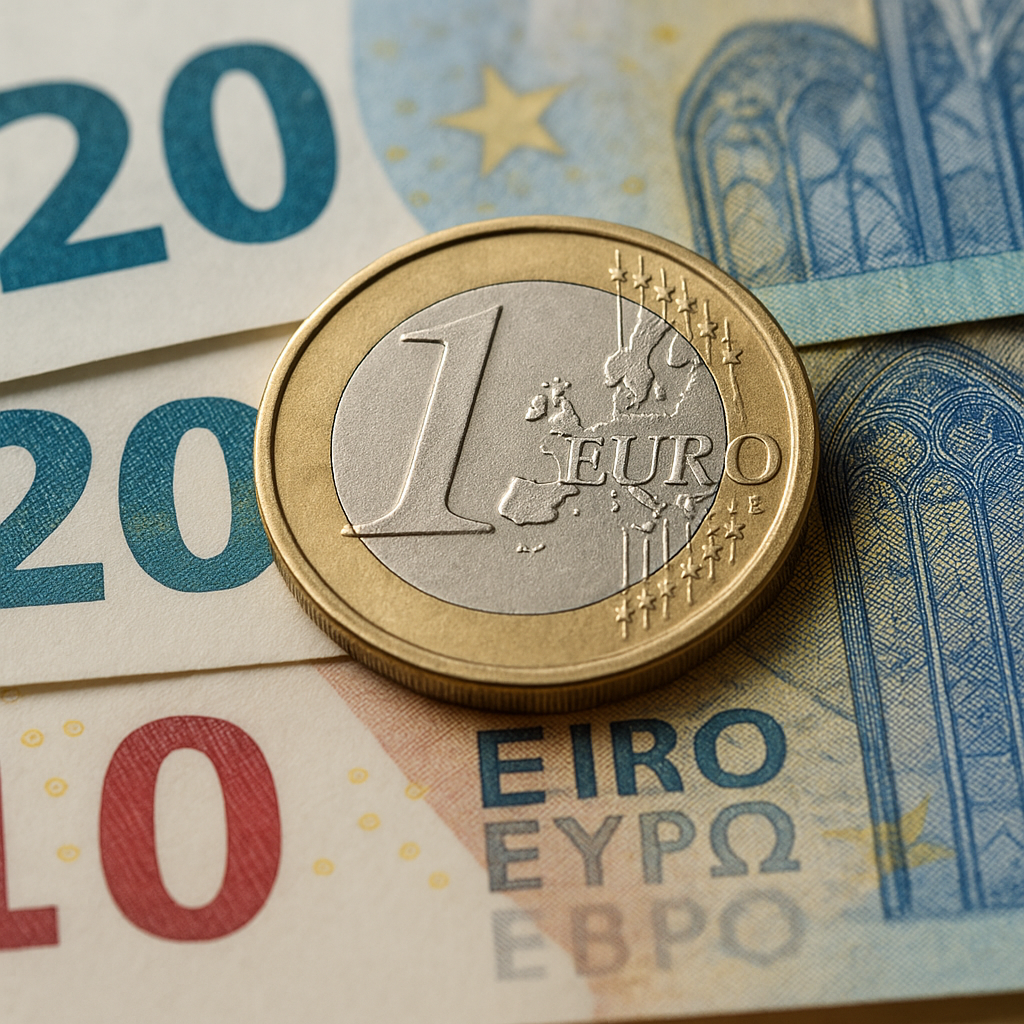
Italy uses the euro (€) as its official currency. Its international currency code is EUR, and one euro is divided into 100 cents. If you’re wondering what money they use in Italy, the answer is the same whether you’re visiting Rome, Venice, Florence, or Milan. Italy shares the euro with other countries in the eurozone, so you won’t need to exchange money when traveling between Italy and other euro-area countries.
What Is the Currency of Italy?
The official currency of Italy is the euro, which replaced the Italian lira in 2002 for everyday cash payments.
Here are the essential facts about Italian money:
- Currency name: Euro
- Currency code: EUR
- Currency symbol: €
- Smallest unit: Cent
- Exchange unit: 1 euro = 100 cents
Prices in Italian stores, restaurants, hotels, and tourist attractions are displayed in euros. For example, €10 means ten euros, while €0.50 represents fifty cents.
The euro is also used in countries such as France, Germany, Spain, and Greece. Italy does not have a separate national currency for everyday transactions.
What Do Italian Coins and Banknotes Look Like?
Italy uses the same euro banknotes as other eurozone countries, along with euro coins featuring Italian designs.
Euro Banknotes
The six denominations currently issued are:
- €5 — gray
- €10 — red
- €20 — blue
- €50 — orange
- €100 — green
- €200 — yellow-brown
Euro banknotes feature architectural designs representing different periods of European history. Their designs are shared across the eurozone, rather than being specific to Italy.
The €500 banknote is no longer issued, but existing notes remain legal tender and retain their value. The European Central Bank’s banknote guide explains the denominations and security features.
Euro Coins
Italy uses eight standard coin denominations:
- 1, 2, and 5 cents
- 10, 20, and 50 cents
- €1 and €2
Every euro coin has a common European side and a national side. Italian coins feature famous artworks and cultural symbols, including Leonardo da Vinci’s Vitruvian Man on the €1 coin and Dante Alighieri on the €2 coin.
Coins issued by other eurozone countries are equally valid in Italy. You can learn more about the designs through Banca d’Italia’s official coin information.
What Currency Did Italy Use Before the Euro?
Before adopting the euro, Italy used the Italian lira (ITL), traditionally represented by the symbol ₤ or the abbreviation L.
Italy officially adopted the euro on January 1, 1999. During the following three years, the new currency was primarily used for accounting and electronic transactions.
Euro banknotes and coins entered circulation on January 1, 2002, replacing the lira in everyday payments. Today, Italian lire are no longer accepted for purchases.
The European Commission’s history of Italy and the euro provides further details about the transition.
How to Pay for Things in Italy
Visitors can use several payment methods while traveling throughout Italy.
- Cash: Euros are useful for small purchases, local markets, cafés, and businesses that prefer cash. Carrying smaller bills and coins can make payments easier.
- Credit and debit cards: Visa and Mastercard are widely accepted at hotels, restaurants, supermarkets, and major attractions. Contactless payments are also common.
- ATMs: You can withdraw euros from Italian ATMs using a compatible international bank card. Check for withdrawal fees and charges from your home bank.
- Currency exchange: US dollars and other foreign currencies generally need to be exchanged for euros before making purchases. Banks and exchange offices may offer different rates and fees.
When paying with a US-issued card, a terminal may ask whether you want to pay in euros or US dollars. Choosing euros usually avoids the merchant’s dynamic currency conversion rate, although your bank may still charge foreign transaction fees.
For most travelers, a combination of a widely accepted payment card and a small amount of euro cash is convenient. Check current exchange rates and your bank’s international fees before departure.